

Pakistan's JF-17 Fighter Jet Orders Surge: Arms Deals from Muslim Countries Boost Aerospace Exports
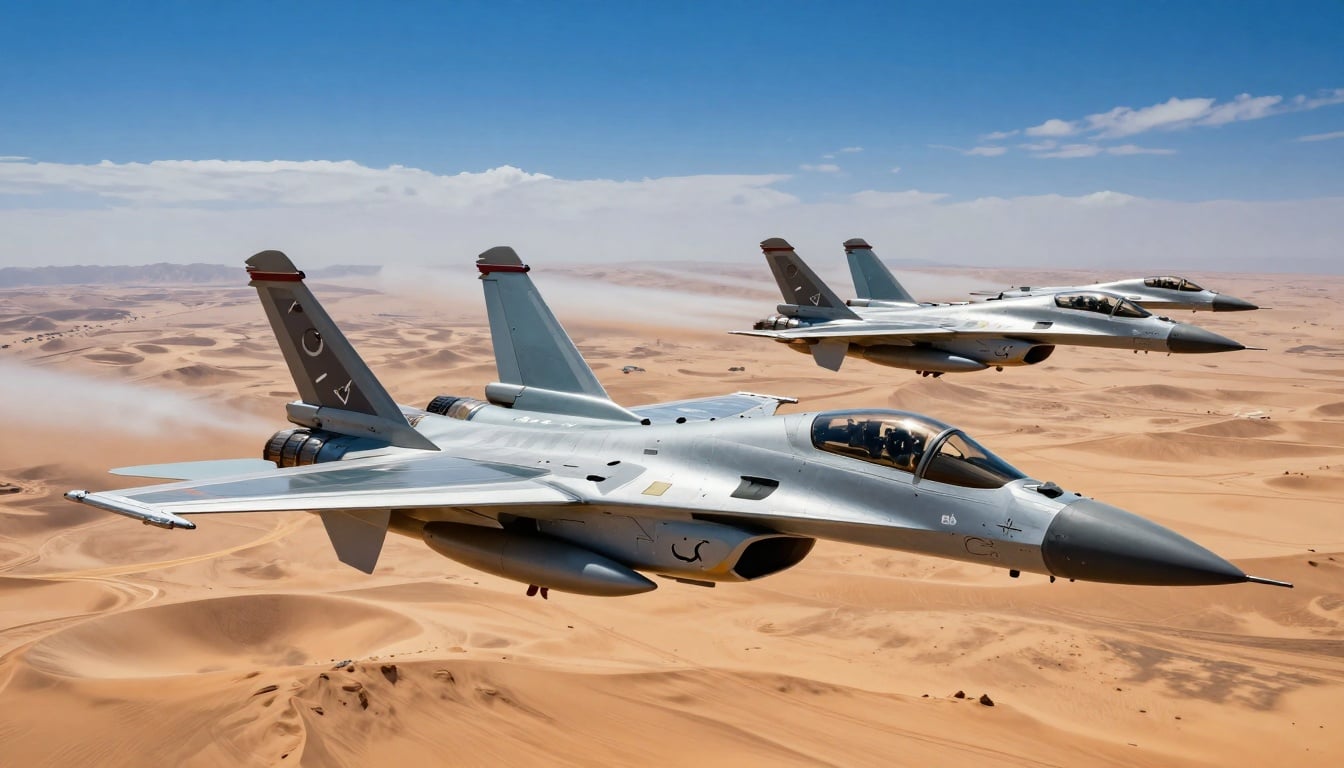
Pakistan's defense industry just hit a major milestone. Orders for the JF-17 Thunder fighter jet are pouring in from Muslim nations, marking a shift in global arms trade. This surge turns Pakistan from a buyer into a key seller, strengthening ties across the region and challenging old power players in aerospace.
The JF-17 Thunder: Engineering and Strategic Value Proposition
The JF-17 stands out as a lightweight, multi-role fighter that packs serious punch. Built with Pakistan's needs in mind, it now draws buyers seeking affordable power. Its rise shows how smart design can reshape air forces in developing countries.
Technical Capabilities and Modernization Milestones
The JF-17 Block III brings top-notch avionics and the KLJ-7A V2 radar for sharp detection. It integrates advanced weapons like beyond-visual-range missiles, making it a match for older jets in dogfights or ground strikes. Compared to legacy planes like the F-7 or MiG-21 still flown by many buyers, the JF-17 offers better speed, range, and electronic warfare tools.
Pakistan teamed up with China's Chengdu Aircraft Corporation to develop it. Early blocks relied on joint work, but now Pakistan Aeronautical Complex eyes full local builds. Recent upgrades include composite materials that cut weight and boost fuel efficiency.
This evolution keeps the jet relevant. Nations upgrading their fleets see the JF-17 as a quick win without breaking the bank.
Cost-Effectiveness as the Primary Market Driver
One JF-17 costs about $25-30 million, far below the $60 million tag on an F-16. Russian options like MiG-29 upgrades run similar high prices with added sanctions risks. For budget-tight air forces, this low entry point seals deals.
Maintenance stays simple too. The jet uses off-the-shelf parts, slashing long-term costs by up to 40% over Western rivals. Pilots train faster on its straightforward controls, saving on simulation gear.
Buyers in Muslim countries love this math. It lets them field squadrons without debt overload, freeing funds for other defenses.
Political Neutrality and Supply Chain Reliability
Pakistan avoids the strings attached to US or Russian sales. No embargoes or political tests mean smoother deals for clients. This neutrality appeals to nations wary of big-power meddling.
Spare parts flow steadily from Pakistan's factories. Unlike some suppliers hit by global tensions, Pakistan commits to support contracts. Buyers get training and upgrades without delays.
In a world of shaky alliances, this reliability builds trust. Muslim countries find a partner that delivers on promises, fostering repeat business.
Global Market Penetration: Key Muslim Country Acquisition Trends
Sales to Muslim nations are climbing fast. From the Caucasus to the Gulf, interest grows as word spreads on the JF-17's performance. This trend points to Pakistan filling a gap in affordable modern fighters.
Azerbaijan’s Strategic Commitment and Impact
Azerbaijan signed for 16 JF-17 Block III jets in late 2025, with options for more. Facing Armenia's threats, they need quick upgrades to their Soviet-era fleet. The JF-17 fits perfectly, offering agility for mountain ops and strike power.
This deal boosts Azerbaijan's air edge. It integrates with their drones and ground forces, creating a layered defense. Early flights show smooth adaptation, encouraging other neighbors to follow.
Pakistan gains a foothold in the Caspian region. Azerbaijan's success story could spark orders from nearby states.
Interest from the Middle East and North Africa (MENA)
Qatar eyes a squadron for training roles, diversifying from pricey Rafales. Saudi Arabia tests JF-17s for border patrols, easing reliance on aging F-5s. In North Africa, Algeria and Egypt inquire about replacements for old MiGs.
These moves hedge against French or Russian delays. The JF-17's neutral source avoids export curbs seen in recent conflicts. MENA buyers seek numbers over high-end specs, and Pakistan delivers.
Reports hint at a $2 billion pipeline here. Shared cultural ties speed talks, turning interest into firm contracts.
Expanding Footprint in Southeast Asia and Beyond
Myanmar already flies 16 JF-17s, proving reliability in hot climates. Nigeria, another Muslim-majority buyer, added four in 2024 for counter-insurgency. This "hub effect" works: one user's good results pull in peers.
In Southeast Asia, Indonesia explores ties, linking Muslim networks. Success in Myanmar shows the jet handles diverse missions well. Pakistan's exports now span continents, building a user community.
Word-of-mouth drives this growth. Pilots share tips at air shows, easing adoption for new owners.
Geopolitical Implications: Reshaping Regional Air Power Balance
JF-17 deals stir the pot in defense circles. They empower smaller nations and tweak alliances. Pakistan's role grows, linking Muslim air forces in new ways.
Challenging Established Defense Suppliers
Traditional sellers feel the pinch. China's early JF-17 role shrinks as Pakistan leads sales. US firms lose secondary markets to this cheaper option, while Russia battles sanctions.
Market share shifts: Pakistan grabbed 5% of light fighter exports in 2025. Buyers flock to non-Western sources for stability. This challenges the old guard, opening doors for emerging players.
Long-term, it diversifies global supply. Nations mix fleets, reducing single-supplier risks.
Enhancing Regional Deterrence for Client States
A modern fighter like the JF-17 changes the game for mid-sized forces. It projects power without massive budgets, deterring foes through credible threats. For example, Azerbaijan's jets signal readiness against border risks.
Deterrence rises as squadrons multiply. Shared tech among buyers creates a network effect, amplifying strength. Smaller air forces now punch above their weight.
This boost stabilizes regions. Peace holds when rivals know the skies are watched.
The Role of the JF-17 in Joint Military Exercises
Common platforms ease joint drills. Pakistan hosts exercises where JF-17 users train together, building skills and bonds. Azerbaijan and Myanmar pilots fly side-by-side, sharing tactics.
Interoperability cuts costs and errors. Standard parts mean faster repairs during ops. These ties strengthen defense pacts among Muslim nations.
Future exercises could include MENA players. Pakistan's jet becomes a glue for alliances.
Manufacturing and Economic Momentum: The PAC Industrial Base
Pakistan Aeronautical Complex hums with activity. JF-17 production ramps up, creating jobs and skills. Exports fuel this engine, turning defense into an economic driver.
Technology Transfer and Indigenization Goals
Pakistan aims for 80% local parts by 2030. Early deals brought tech from China, but now engineers design upgrades in-house. Milestones include homegrown radars and engines tested in 2025.
This shift builds expertise. Workers master composites and software, ready for next-gen jets. Full indigenization means self-reliance, less foreign dependence.
Buyers benefit too. Local tweaks adapt jets to specific needs, like desert coatings for Gulf users.
Export Revenue and Foreign Exchange Impact
A single 12-jet deal nets $300 million. With 2025 orders topping $1.5 billion, defense exports rival textiles. This cash eases Pakistan's balance-of-payments woes.
Jobs multiply: over 5,000 at PAC alone. Spillover hits suppliers, boosting GDP by 0.5%. In tough times, arms sales provide steady income.
Pakistan diversifies earnings. No longer just aid-dependent, it stands as a trade partner.
Conclusion: The Future Trajectory of Pakistan's Defense Exports
The JF-17 surge stems from its smart mix of cost, capability, and easy politics. Muslim countries snap it up to modernize without hassle, reshaping their skies. Pakistan emerges as a defense exporter to watch.
Look ahead: more deals loom in 2026, from Africa to Asia. With production scaling, Pakistan could lead regional aerospace. Stay tuned—these wings carry big promise for global balance.
What do you think of this shift? Share your views below, and explore more on Pakistan's defense rise.


