

Launch of India’s First Vande Bharat Sleeper Train
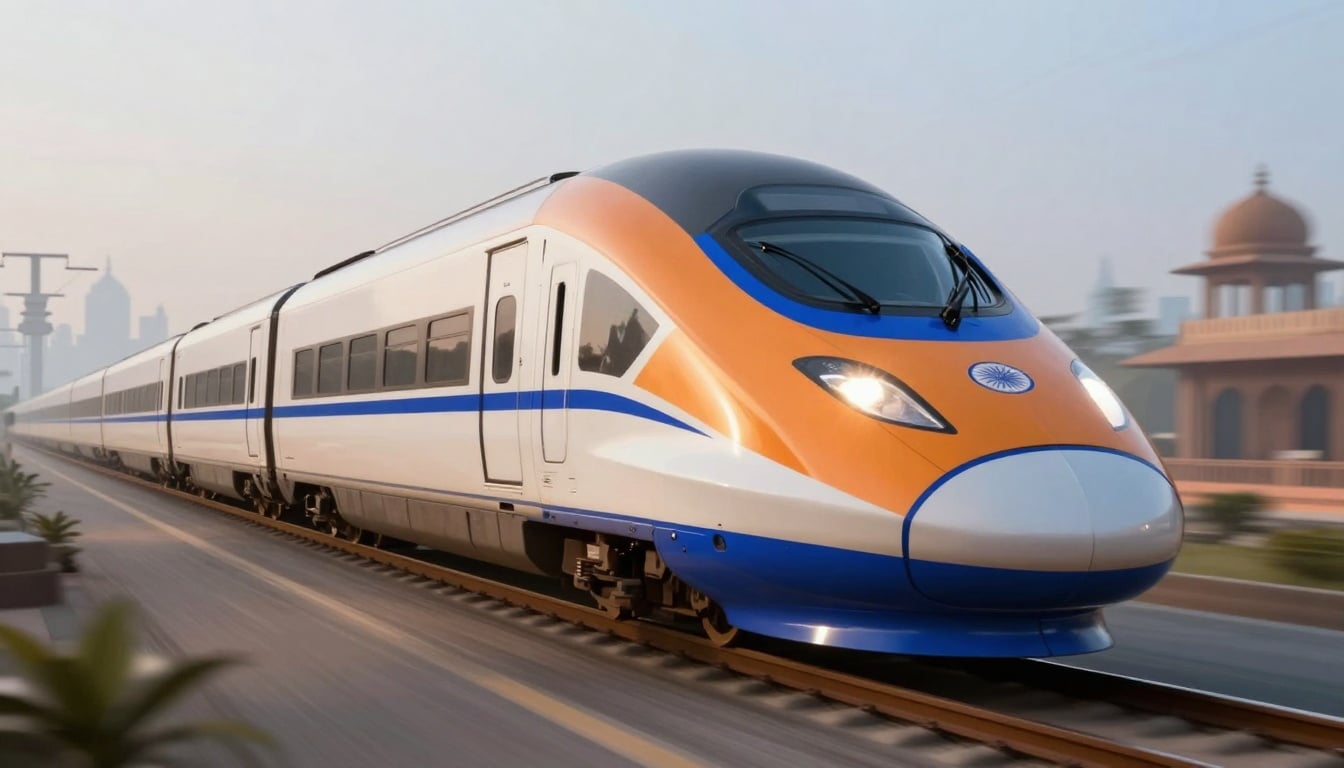
Imagine boarding a train that glides through the night, offering sleep in a cocoon of modern comfort while covering vast distances. The Vande Bharat Sleeper Train launch marks this shift for Indian Railways. It builds on the daytime high-speed success but targets the huge need for safe, plush overnight trips. This move links cities better and lifts the travel game for millions. In January 2026, as production ramps up, expect big changes in how Indians move after dark.
Section 1: The Evolution of Indian Rail: From Shatabdi to Sleeper Vande Bharat
Why Sleeper Coaches are the Next Frontier for Vande Bharat
Chair Car Vande Bharat trains have cut travel times on busy routes like Delhi to Varanasi. Riders love the quick speeds up to 160 km/h and smooth rides. Yet, these trains run mostly in daylight, leaving gaps for long trips that need rest.
Demand grows for top-tier sleep options on paths like Mumbai to Delhi. Current sleeper cars in trains like Rajdhani feel dated with basic setups. The Vande Bharat Sleeper fills this void with fresh tech and space.
Passengers on high-traffic lines often pick flights for night hauls. This new train aims to pull them back with better comfort at lower costs.
Key Design Philosophies: Comfort Meets Speed
Engineers focused on cutting shakes from tracks and blocking out train noise. The sleeper version uses stronger mounts for wheels to keep rides steady. It saves power too, unlike old AC coaches that guzzle energy.
Compare it to AC 1st class: those have wide berths but heavy builds that slow trains. Vande Bharat Sleepers use light materials for faster runs without losing berth room. Noise levels drop below 60 decibels, close to a quiet room.
The goal blends quick travel with deep rest. Aerodynamic shapes cut wind drag by 20 percent over standard sleepers.
Manufacturing Milestones and Timeline Expectations
Work starts at Integral Coach Factory in Chennai this year. Teams plan to roll out prototypes by mid-2026. Full batches follow in 2027 for test runs.
Other sites like Modern Coach Factory in Raebareli may join later. Each train needs 16-18 coaches, built with local steel and electronics. Trials on tracks will check speed and safety before public use.
Expect first routes to launch by late 2027. Delays could push this, but Railways targets steady output of 10 trains per year.
Section 2: Inside the Sleeper Vande Bharat: A New Benchmark in Passenger Amenities
Berth Configuration and Accommodation Tiers
Sleeper setups match 1AC, 2AC, and 3AC classes for broad appeal. 1AC offers four private cabins per coach with full walls. 2AC stacks six berths in open bays, but with more leg space than Duronto trains.
3AC fits eight berths, yet adds curtains for shade and direct aisle access. Total seats per train hit around 1,200 in mixed classes. Layouts use modular walls for easy tweaks.
Privacy beats old coaches: locks on doors and individual reading lights come standard. Berths measure 72 inches long, wider than Rajdhani's 68 inches.
- 1AC Features: En-suite bathrooms, adjustable beds.
- 2AC Perks: Shared lounges, power outlets at each spot.
- 3AC Basics: Economy sleep with extra storage under seats.
Advanced Comfort and Safety Features
Doors close on their own with sensors to stop accidents. Climate control holds steady temps from 20 to 25 degrees Celsius. Lights dim via apps for better sleep cycles.
Fire systems include auto sprinklers and smoke detectors in every berth. The train's frame uses fire-proof composites. Brakes halt in under 800 meters at full speed.
Bio-toilets process waste on the go, cleaner than pit types. Seats have gel cushions to ease back strain on bumpy lines.
These traits set a high bar. Riders get alerts on phone for stops or issues.
Onboard Services and Catering Integration
Pantry cars serve hot meals with choices like veg thali or continental options. Orders come via QR codes on seats. Fresh food beats pre-packed stuff in older trains.
Wi-Fi covers the whole train, free for basic use. Screens on walls play movies or news for night shifts. Charging ports work with USB and AC plugs.
Catering ties to IRCTC apps for pre-bookings. Expect e-menus with allergy tags. This setup turns long nights into easy rests.
Section 3: Operational Advantages and Performance Metrics
Speed Potential and Travel Time Reduction
New wheel sets handle 180 km/h peaks on straight tracks. Average speed hits 130 km/h, up from 110 in Rajdhani sleepers. Mumbai to Delhi shrinks from 16 hours to 12.
Aerodynamics slice air resistance, aiding climbs. On Delhi-Chennai, save three hours versus current sleepers. Tests show less wear on parts for reliable runs.
This cuts wait times at stations too. Passengers arrive fresh for work or fun.
Energy Efficiency and Operational Cost Analysis
Electric motors pull with 30 percent less power per kilometer. One full train uses power like 50 homes, but serves 1,200 people. Older diesels burn twice the fuel.
Costs drop by 25 percent over five years, per early math. Regenerative brakes feed power back to lines. Maintenance needs fall with sealed parts.
Railways saves on repairs. Green tech aligns with national goals for clean transport.
Route Planning: Initial Corridors Under Consideration
Top picks include Mumbai-Delhi for business crowds. Chennai-Mumbai suits south-north links. Bengaluru-Hyderabad targets tech workers.
Tier-2 paths like Lucknow-Patna may follow. These routes see 80 percent occupancy in sleepers now. Vande Bharat boosts capacity without new tracks.
High demand means quick rollouts. Planners eye 10 corridors by 2030.
Section 4: Economic Impact and Passenger Experience Transformation
Pricing Strategy: Positioning Against Premium Trains
Fares for 1AC start at 5,000 rupees for Delhi-Mumbai, above Duronto's 3,500. 3AC sits at 2,000, under Tejas premiums. Value comes from speed and perks.
This slots between budget and luxury. Families pick it for space over flights at similar costs. Discounts for groups could draw more.
Market tests show 20 percent uptake from air travelers.
Boosting Tourism and Business Travel Overnight
Night trains free days for meetings or sights. Business folks cut hotel nights, saving cash. Tourism rises as couples reach hill stations rested.
Routes to Goa or Kerala get easier. Economy gains from 10 million extra trips yearly. Jobs in rail ops grow too.
Reliable schedules build trust. Travelers plan bolder across states.
Feedback Mechanisms and Iterative Improvement
Apps like RailYatra collect ratings post-trip. Onboard pads ask about sleep quality. Data shapes next builds.
Surveys target noise or food gripes. First runs include observer teams. Changes roll out in batch two.
This loop keeps services sharp. Riders feel heard.
Conclusion: The Future is Fast, Comfortable, and Overnight
The Vande Bharat Sleeper Train launch pushes Indian Railways into a brighter phase. It mixes speed, rest, and tech to fix old night travel woes. Key wins include better berths, green ops, and route gains that link India tighter.
This step modernizes the network for 2026 and beyond. Expect more sleeper variants soon. Book early when tickets drop—your next trip just got smoother.


